Their experiences show: digital innovation is not just about technology, but primarily about people, collaboration, and asking the right questions.
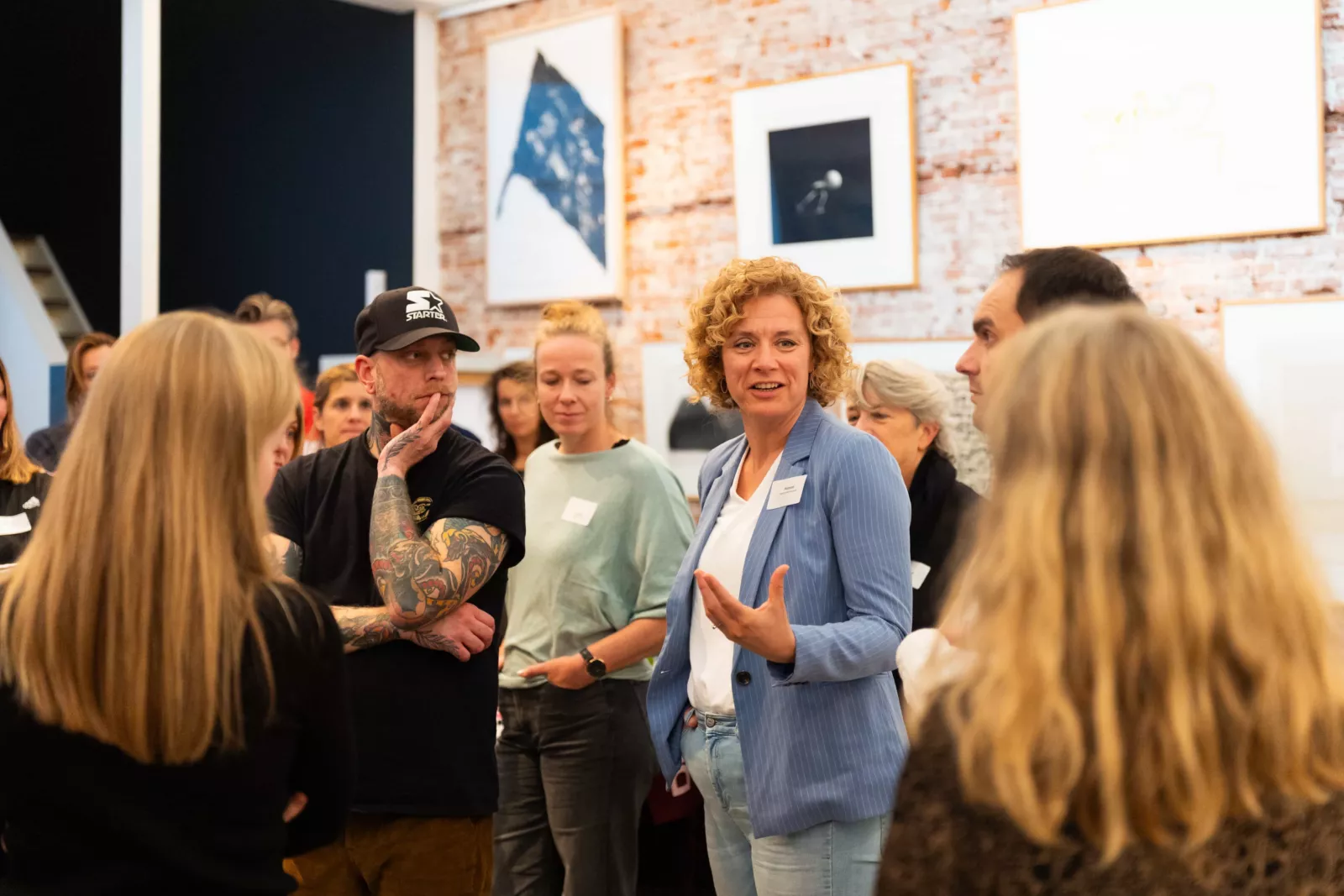
With four cases from the program, program leader Helen Goossens shares insights and lessons that demonstrate how small steps can lead to big impact.
From Concrete Ideas to Sharp Questions
We asked participants to start the program with a clear goal: improving a digital tool, doing more with data, or strategically using livestreams to build their online success. But it quickly became evident that there was often an underlying foundation that needed attention: the ‘question behind the question.’
Youth Theater Het Laagland from Sittard, for example, wanted to explore whether offering recordings of performances for young children (4+) could contribute to repeat visits or lower the threshold for new audiences. Over time, it became clear that the question wasn’t just about technology or distribution but about relationship building: how do you structurally engage young families with your organization? The valuable lesson: an email with a questionnaire is not enough – targeted focus groups and long-term engagement with the target audience are much more effective.
Museum Arnhem wanted to better integrate its digital collection tool into the visitor experience. The technical development was already in place but was not being optimally used. The project team delved into the customer journey and internal work structure, revealing what was truly needed: ownership within the organization, better positioning of the tool, and connecting the digital experience to the physical museum visit.
Digital Tools Require Human Support
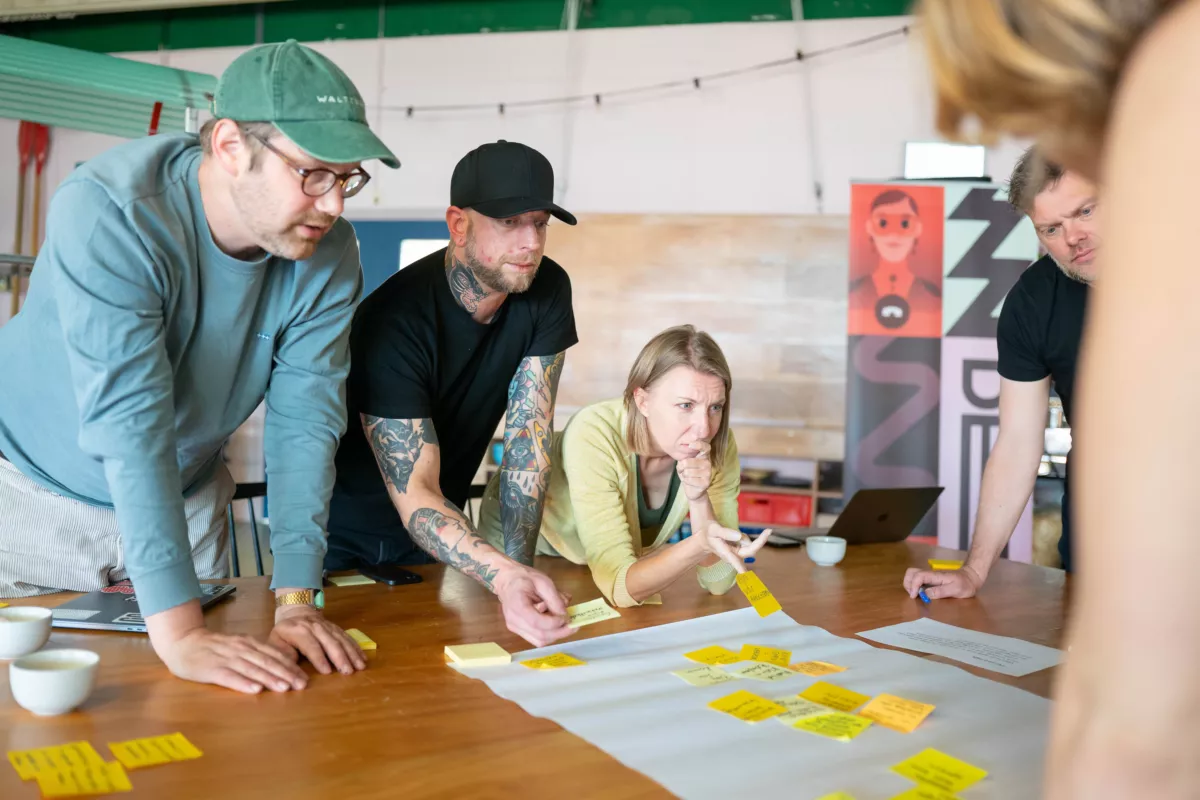
What all these cases illustrate – and what we saw in all twelve projects – is that digital innovation only truly succeeds when the people within the organization can and want to adapt. Music Venue De Effenaar in Eindhoven wanted to work with data dashboards and reports. They discovered that the technology wasn’t the problem – but that colleagues first needed to learn to understand what the numbers mean and why they are relevant to their work.
This experience was widely shared: Theater and Concert Hall Tilburg, which aimed to promote data-driven work, also learned that internal collaboration and involvement are crucial. Building digital tools is just the first step – but the real work begins when people have to start using them. Understanding, trust, and alignment with existing processes are prerequisites for success.
"Collecting data is one thing, but ensuring that colleagues want and can work with it – that is the real challenge."
Start Small, Learn Big
A strength of the Digital Resilience program lies in its approach: in a short time, you work on a well-defined project, but with plenty of room for reflection. This leads to valuable insights that can be applied more broadly. The projects started small – a technical optimization, a content experiment, a new data visualization – but led to fundamental conversations within the organizations. About strategy, collaboration, ownership, and audience engagement.
And those small steps can have a big impact. A museum that optimizes its collection tool sees how it deepens audience engagement. A venue working with a data matrix helps colleagues think differently about impact. A youth theater engaging with parents discovers how to build a sustainable relationship with its audience from the first encounter with theater.
"We realized that our initial research methods were not sufficient. We are now working more strategically and building an engaged focus group to test and learn structurally."
Join in 2026
In January 2026, a new edition of Digital Resilience will begin. Are you working on a digital project to use AI within your work processes? Or do you have an idea you'd like to think through and take to the next level? Then this program is for you.
Digital Resilience helps you take small steps with a big impact. Not by working harder, but by looking smarter: at your goal, your target audience, your organization, and the people who make the difference.

More articles per topic