News
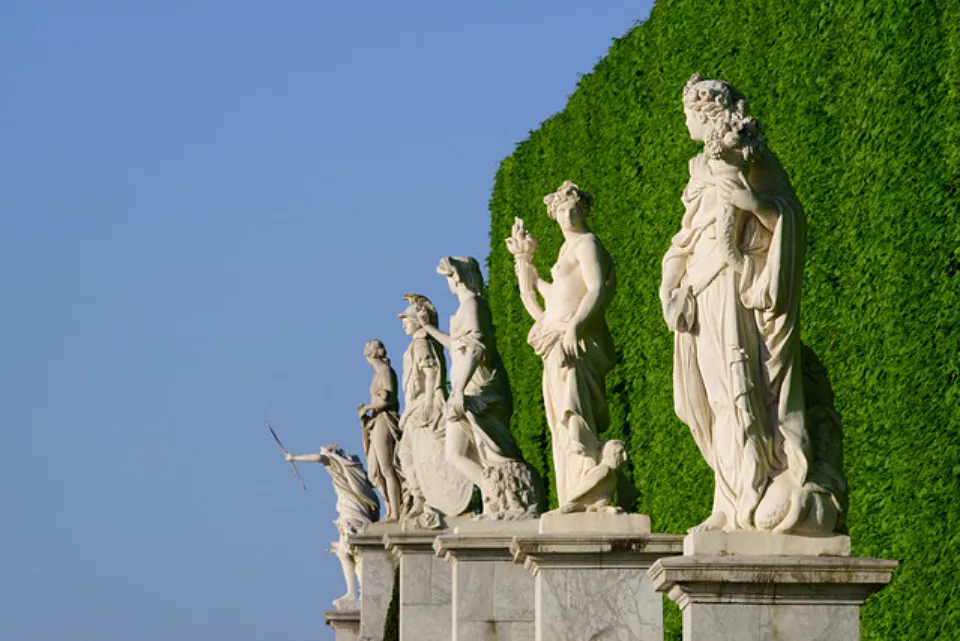
Praten met de goden: hoe AI de collectie tot leven wekt
Voor het eerst kun je als bezoeker zelf in gesprek met beelden uit de tuinen van het Paleis van Versailles in Frankrijk. Twintig iconische beelden van goden die er al honderden jaren staan, komen tot leven. AI wordt ingezet om een tweerichtingsgesprek met het publiek te faciliteren. Wat als Apollo terugpraat?
Praten met de goden: hoe AI de collectie tot leven wekt
Voor het eerst kun je als bezoeker zelf in gesprek met beelden uit de tuinen van het Paleis van Versailles in Frankrijk. Twintig iconische beelden van goden die er al honderden jaren staan, komen tot leven. AI wordt ingezet om een tweerichtingsgesprek met het publiek te faciliteren. Wat als Apollo terugpraat?
How to Build an AI Chatbot: Lessons from Five Cultural Chatbots by DEN
AI chatbots can help you perform recurring tasks consistently. In July 2025, DEN launched five cultural chatbots to assist cultural professionals with culture-specific information. In this article, we share the key lessons we’ve learned so you can be well-prepared to create your own chatbot.
PeerTube: an alternative to commercial video platforms
Whether it’s an engaging trailer, a full registration, or unlocking a digital collection: video is the engine behind the online visibility of many cultural organizations. Often, we habitually turn directly to YouTube or Vimeo. These are well-known, large, and easy to use. However, there are alternatives that might be interesting for our sector. One of them is PeerTube.
In this article, we dive into PeerTube: what is it, how does it fundamentally differ from YouTube, and when is it the right option for your organization?
AI and Copyright: Seeking a Fair Balance for Creators and AI Models
The rise of generative AI raises fundamental questions about privacy, ethics, and, perhaps most importantly for the cultural sector: copyright. While some embrace the technology, others see it as an existential threat. The global debate is narrowing down to two fronts: employment and the training of models using creators' work.
In this article, we focus on the latter: the training of AI. Is it the ‘greatest art heist of the century,’ or simply legally permissible?
Europe draws a line: AI companies must start paying creators
The European Parliament has adopted a report with a large majority that aims to restore the balance between AI development and copyright. The main principle is a system in which creators not only give permission for the use of their work but are also fairly compensated for it.
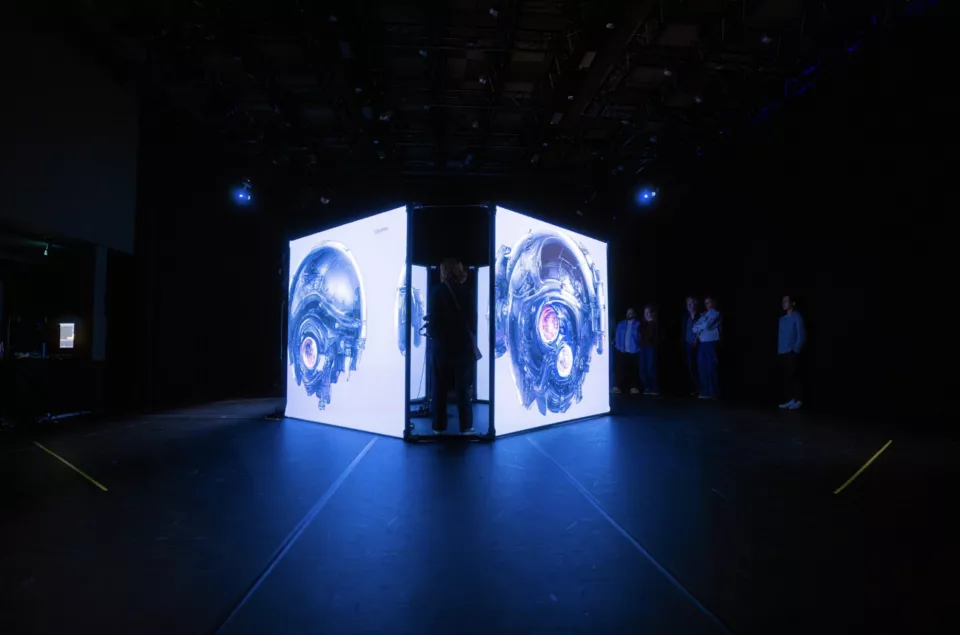
From Museum to Library: The Cultural Sector Gets an Experimental Space for AI and Immersive Tech
UTRECHT/THE HAGUE, March 31, 2026 – Ideas for AI and virtual reality are abundant in the cultural sector, but the step from the drawing board to practice proves challenging. How do you translate an ambition into a working project? To bridge this gap, knowledge institute DEN and Innovation:Lab are joining forces in a strategic partnership.
Do you want to discover what immersive technology can mean for your organization?
Immersive technology offers new ways to tell stories and engage audiences. At the same time, it also raises questions: what can you concretely do with it as a cultural organization? What does it require in terms of time, resources, and knowledge? During the Immersive Experience Day, you will have the chance to experience the work of creators, gain insight into their process, and discover what this technology can mean for your audience and programming. Want to personally experience how VR, AR, and XR work in cultural practice? And have discussions with creators and peers about what it takes to take the first step? Then come to the Immersive Experience Day!
Research by Ash Mann on ‘hidden digital work’ in the cultural sector
You probably recognize it: those hours spent on just quickly writing that social post, cleaning up databases, figuring out rights for an online collection, and explaining to your colleagues how to use that digital tool effectively. This phenomenon, described by researcher Ash Mann as ‘hidden digital work,’ is the focus of this international study supported by DEN. It's high time to bring this invisible work out of the shadows.
New research by DEN and PHI Factory: streaming cultural performances has limited CO₂ emissions
By making conscious digital choices, the cultural sector can reduce its ecological footprint while reaching a larger and more diverse audience. Digital cultural performances such as (live) streams of opera, theater, and dance performances offer added value to the audience. However, this online offering also consumes energy and resources.
Research by PHI Factory and DEN shows that the additional CO₂‑emissions from online offerings are a fraction of the total environmental impact of performances. Even better news: there is still room for online sustainability!
We have delved deep into the numbers and share below concrete insights and practical tips for digital sustainability in the cultural sector.