Who are the users within the user story?
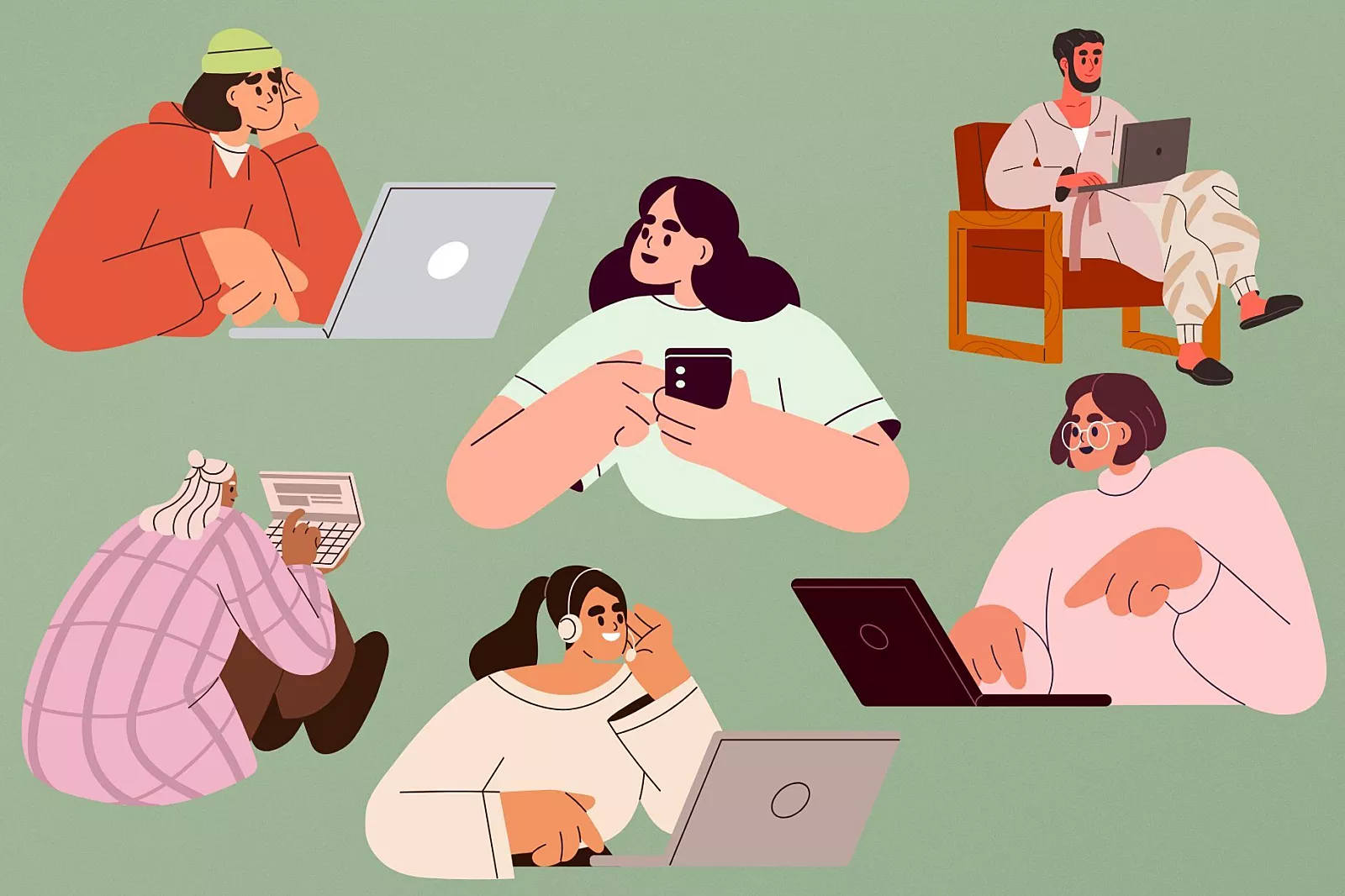
So who are these users? It can be anyone who interacts with the product. Think of external users such as the person who buys a ticket through your improved purchasing system, internal users such as the person within your organization who has to work with the system, or technical and support users, such as the people involved in IT or content production.
What does such a user story look like?
User stories are actually as simple as:
- Who interacts with this product?
- What does it help that person with?
- How does it help them?
Follow-up question: how do I make it (use) as easy as possible for that person?
You formulate this per user. User stories help you think from the perspective of the end user(s), so it is very useful to think about the most important user stories for your project early on.
What do you include in a user story?
A user story is structured as follows: ‘As [user], I want [functionality] so that I [reason why it is needed].’ An example: ‘As [marketing employee], I want to [see at the postal code level how many people attended a particular show] so that I [can adjust my marketing strategy accordingly].’
Write your most important user stories briefly and clearly. This can be done in the 'user stories fill-in document' we have included. During the progress of the project, you can further specify user stories or add extra user stories to achieve an increasingly suitable result for your organization.

Why create a user story?
Technology is a means, not an end. If you only focus on technology in your digital project, there is a chance you will get stuck. After all, you are also dealing with people who use your product. That is precisely why the use of user stories is so important; they focus on the value for your user. You look at the lived experience and not just the 'theoretical story.'
A set of user stories allows adjustments if insights change during the process. This results in more effectiveness, more involvement, keeps the focus on what really matters, and makes the process smoother. This works better than rigidly fixing everything in advance.
Frequently asked questions about user stories
How do you write a user story if the end user is unknown?
Hide explanationShow explanation
How do you write a user story if the end user is unknown?
If you are writing a user story for an end user, but the end user is (not yet) fully known, you will have to work with assumptions about personas (these are fictional but realistic users) or assumptions about preliminary target groups. You can then think of the user story from 'a user with need X' instead of a very specific role. For example: ‘As a museum visitor looking for digital information, I want to easily find routes so that I can plan my visit well.’
The main goal initially is to provide direction, not perfection from the start. You can later test your assumptions with real users and adjust your user stories accordingly.
How do I gather user needs without extensive research?
Hide explanationShow explanation
How do I gather user needs without extensive research?
User research does not always have to be extensive. You can also assemble a focus group: a small group of your users that is representative of your audience, to gather needs.
Needs can, for example, be collected through (a) brainstorming session(s). If the group of users is too large to bring together, you can also work with delegates/representatives of the groups.
TIP: People often find it difficult to openly share their opinions and needs in a larger group. If the group is manageable, it is worthwhile to have one-on-one conversations or schedule video calls with users.
How do I prioritize within user stories?
Hide explanationShow explanation
How do I prioritize within user stories?
How do you determine what is important within your user stories? Because of course, you will come up with or hear many ideas and opinions. It is important to distinguish necessity from 'this has a lower priority but is nice to have.'
The key question is: what do you absolutely need to make this digital project successful for the most important group? These points must be on the list. With this, you achieve your MVP: your minimal viable product, the minimum needed for the project to succeed.
Conclusion
User stories help you stay focused on what you are creating, for whom, and why. By drafting user stories early in your project (and adjusting them along the way), you prevent technology from becoming more important than the user. They provide guidance in decision-making but also leave room to adapt to new insights. This way, you work towards a digital result that truly adds value for your organization and your users.
Easily create a user story?
Are you working on a digital project? Make sure you have a clear understanding of what exactly you are solving for whom and why with a digital process. Use our handy user story template for this.
More articles per topic