
As 2025 comes to an end, I want to invite you not only to look back at yesterday or 2026, but to take a leap with me to 2036. To a world where culture is just as integral to our day as the daily scroll through our favorite apps.
The coming years will be about finding a new balance between humans and machines. And here's the interesting part: our sector can become the place to recalibrate that new standard. Precisely because of our creative and human core.
From passive watching to ‘story living’
One thing we know for sure. In 2036, the relationship with the cultural audience is fundamentally different (opens in new tab). Passive watching will have transformed into ‘story living’; participating in immersive, active stories. My prediction: with technologies like XR, AI (opens in new tab), and wearables, by then we will have pushed the artistic boundaries to worlds where the audience is no longer a spectator but a co-creator who also owns their own data.
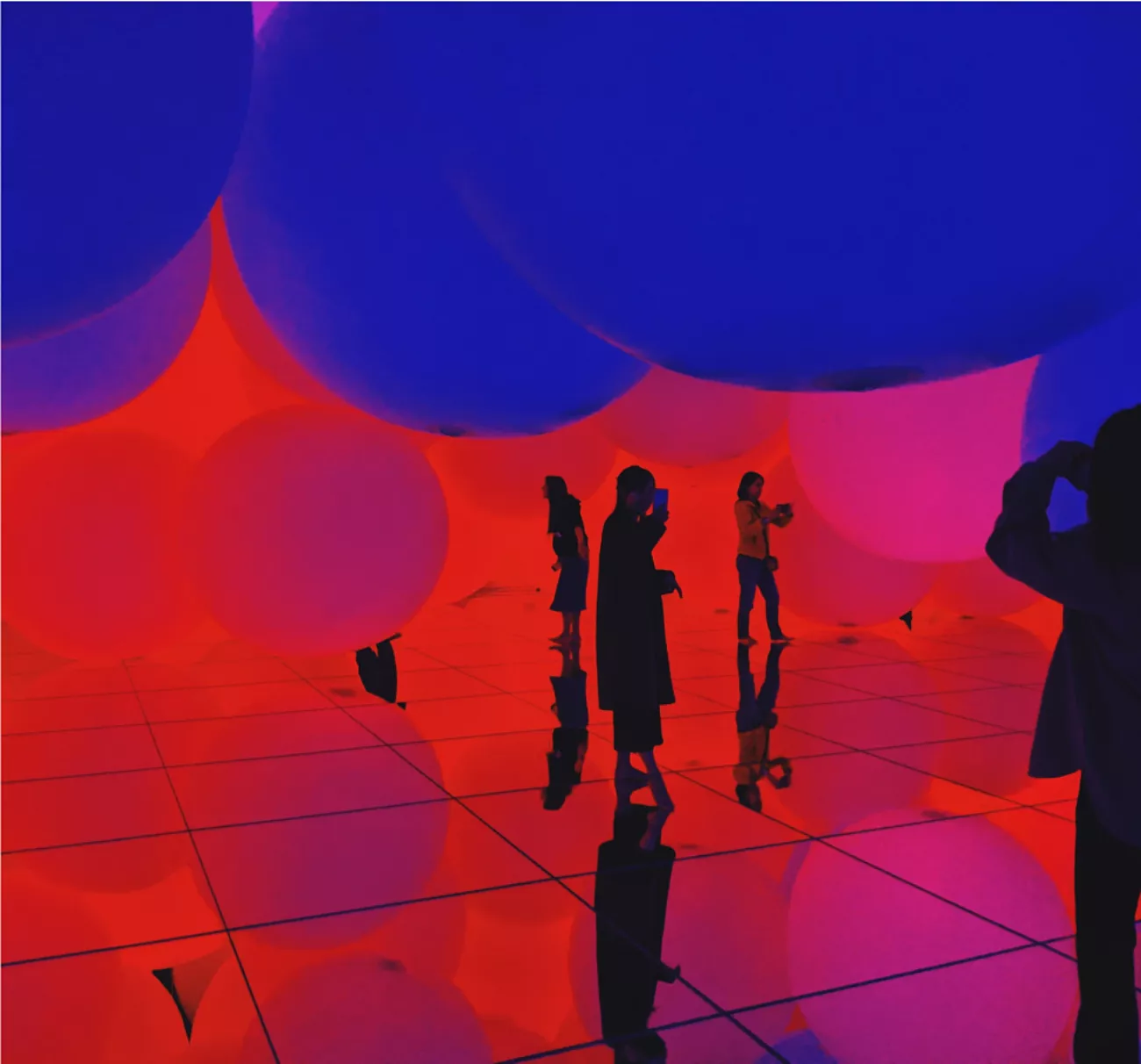
This shift can restore what society is currently yearning for: shared play and wonder. We already see the potential of this in the unprecedented scale of projects like ABBA Voyage (opens in new tab), TeamLab Borderless (opens in new tab), and Meow Wolf (opens in new tab), where technological innovation and emotional impact go hand in hand.
Finding and binding audiences
To chart a course that doesn’t just happen to us but that we shape ourselves, a sharp digital strategy is crucial. It’s the compass that determines how you use technology to find and bind audiences. Because the value of digital transformation runs deeper than we often think; technology now touches virtually all roles and processes, from creators to programmers.
We already see this redefinition: at the Nasher Museum where AI curates exhibitions, at Studio Erwin Olaf (opens in new tab) where data keeps the artistic vision alive, and in the rise of AI agents (opens in new tab) automating procedural tasks. These are all signs of an organization reinventing itself.
Understandably, this movement raises questions, but more than that, I see an opportunity. An opportunity where technology takes over procedural tasks, allowing intrinsic creativity and the human touch – the essence of culture – to flourish. At the same time, this very technology solves one of our greatest societal challenges: inclusion. With smart solutions – such as the streaming services of Picl (opens in new tab) and EMTV (opens in new tab) or smart glasses like those at the National Theater (opens in new tab) and Tryater (opens in new tab) – culture can be experienced anytime, anywhere.
Agile toward the future
My vision for the future of culture is digitally enhanced (opens in new tab). With digital technology, we have the opportunity to anchor our impact more profoundly. By expanding into digital innovations, we create new, substantial revenue streams that make us agile and financially resilient for the future.
The importance lies not in the size of the first step we take now but in fixing that shared goal on the horizon and determining what kind of institution you want to be in 2036. Of course, my vision is just one of the possible directions for the future. Whatever direction it takes, it’s one that requires action. If I wish you anything for the coming year, it’s to start this strategic dialogue and put it on the agenda for 2026.
In the journey that follows — whether it comes with big ambitions, critical questions, or the inevitable doubts that come with innovation — DEN is ready to support you. We help you translate ideas into practice énd strategy (opens in new tab). Together, we continue to build the culture of tomorrow.

More articles per topic