In this article, we show that digital cultural education and participation do not always mean ‘with a screen or app.’ We share examples that combine the benefits of digital tools while ensuring that your visitors are actively and physically involved, without a screen.
Digital Advantage
With digital, it is easy to combine text, sound, images, and video, as it is all built from ones and zeros. This offers opportunities for multimedia cultural experiences where visitors can not only navigate and respond but also experience interaction and personalization. Moreover, digital technology effortlessly connects information from different times and places. Although visual communication via screens dominates our media landscape, digital technology offers plenty of other possibilities. In cultural education and participation, we also see applications that appeal to other senses and stimulate physical connection.
You are more than just your eyes, ears, and the tip of your finger touching a screen.
Explore Other Stimuli
You are, after all, more than just your eyes, ears, and the tip of your finger touching a screen. Think, in addition to vision, of hearing, smell, taste, body awareness, and various other tactile sensations such as soft, warm, cold, texture, etc. It may not always be the first thought, but digital technology can also stimulate these senses!
Integration
An important development in the technical world is that the tools to create and use digital information are becoming increasingly smaller. Mini-computers can therefore invisibly do their work in various places. This enables almost invisible integration of digital technology with associated possibilities in various locations. And these possibilities create new ways of storytelling and conveying experiences. For cultural institutions, this is a valuable addition to the digital landscape.
Tangible Digital Application Examples
With a number of examples, we show that by using physical objects, the environment, the body, and integrated technology, visitors can feel more closely connected to heritage, culture, and/or each other. Intangible elements such as stories, traditions, or research are physically unlocked and made palpable.
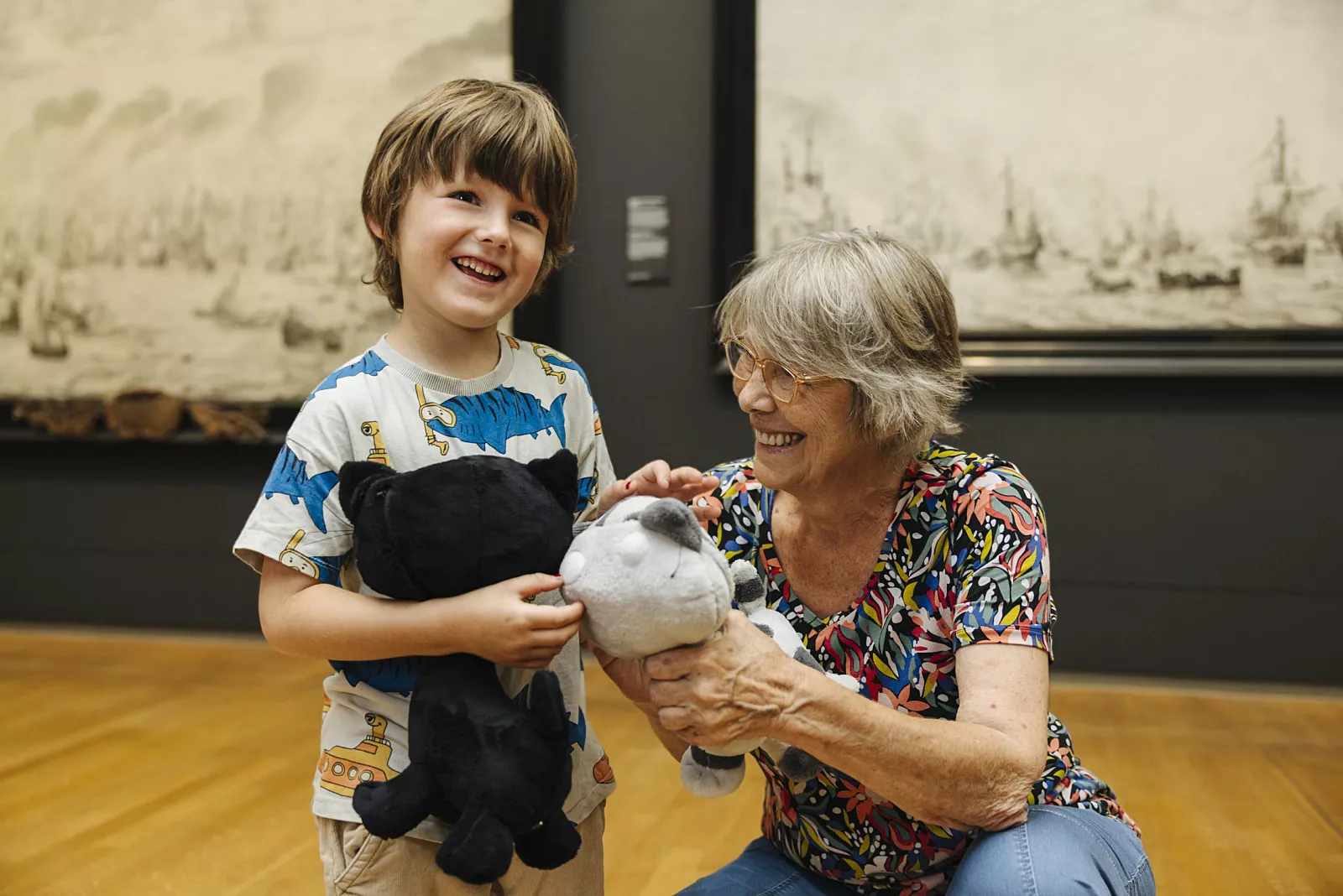
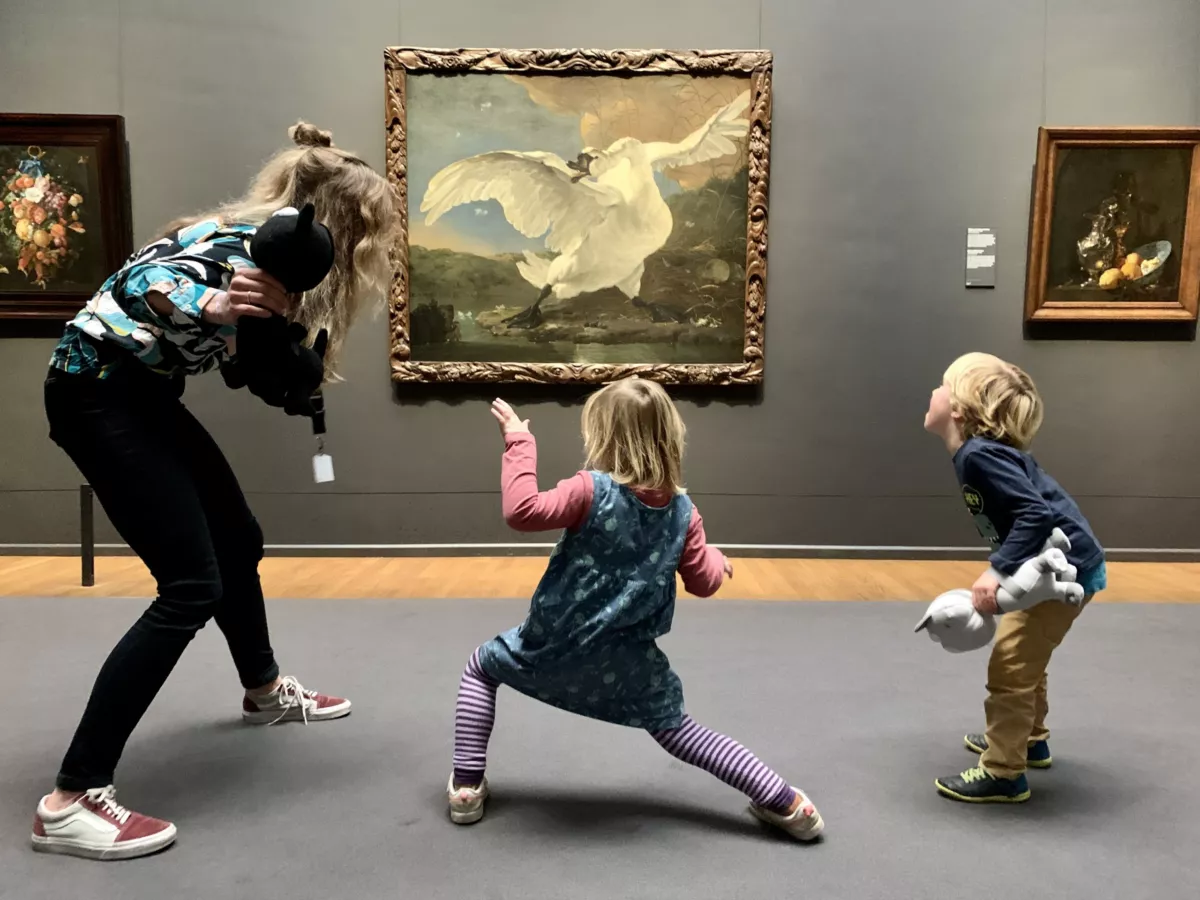
- In the Rijksmuseum (and other museums), you can explore with the two interactive stuffed animals Pim and Pom. These Tellmies by Go Wonder have a built-in speaker and sensors that register visitors' touch and respond to it. They know where they are in the museum through small transmitters. An interactive audio tour, but with all the tactility of a cozy stuffed animal to emotionally connect with. The open audio facilitates a shared family or class experience.
- The digital heritage projects of the European project meSch (with Waag Futurelab as a partner, among others) ensure that visitors must physically engage themselves to hear a story with an emotionally appropriate movement. A sensor in a visitor's boot activates an audio story about the war, but only when visitors march together: an immersive experience.
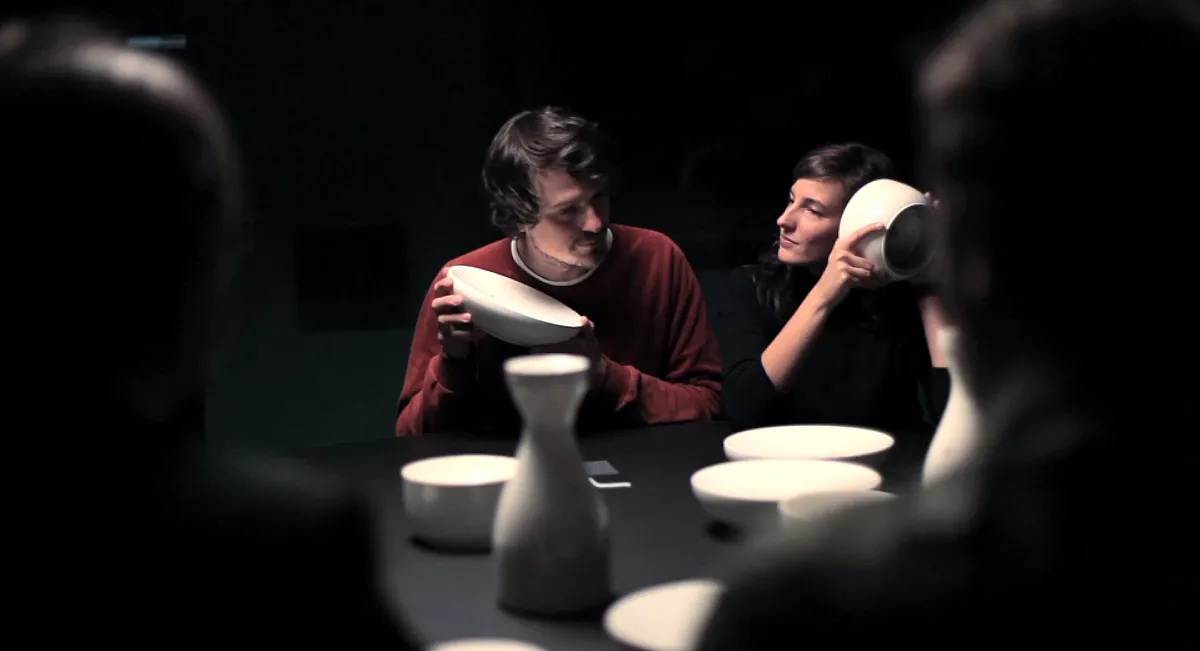
- Digital technology can also enhance the experience of the material properties of objects, for example, in the form of the ‘whispering table’ at the Jewish Museum in Berlin. Visitors can sit at a dining table where they interact with the tableware, which tells them something about dining traditions in different cultures after being picked up. The tableware objects also talk to each other. The dining table is thus positioned as a universal place to communicate with each other, creating an audio landscape of a cozy dinner for bystanders.
- Finally, you see that the absence of a screen can also be combined with inclusivity. In the experience Dialogue in the Dark at Das Dialoghaus Hamburg (developed by Kiss the Frog, among others), visitors get a taste of what it is like to navigate the world without sight and become acquainted with supportive technologies for this.
Inspiration from Art
In addition to these applied examples, autonomous artists and collectives are also increasingly working with integrated technology in smart environments and objects. Although they do not directly aim to convey a story to the audience, they serve as inspiration to show what is possible.
For example, in the work Murmuring Minds by Studio Drift, where sixty autonomously moving devices react to the movements of visitors, eliciting various movements from the visitors who engage with them.
And in the installation The Band (Biodigital Autonomous Neuro Dancers) by FriendsWithYou. These huggable robots move through a library lobby in Cleveland and respond to visitors with warm and friendly sounds, aiming to make the library feel like ‘home.’
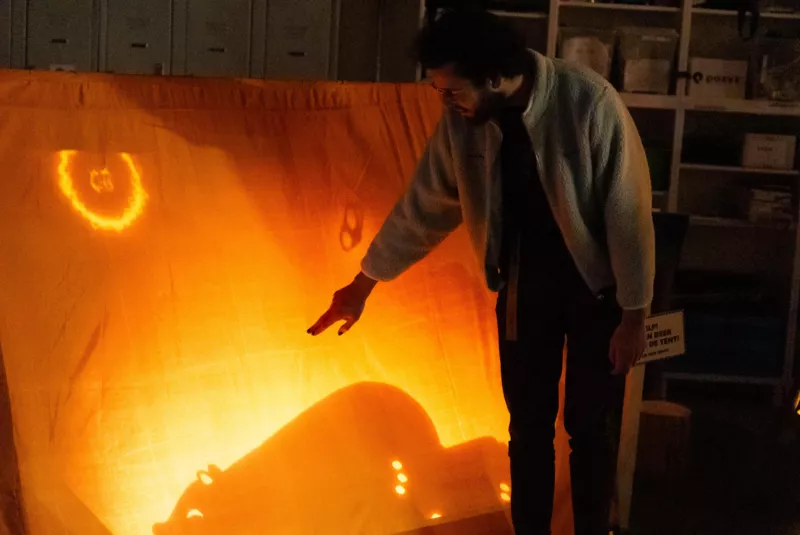
The installation ‘Help, There’s a Bear in My Tent!’ for Cinekid (by Marieke van der Burg and Leon van Oldenborgh) is a kind of reverse escape room. An interactive tent in an immersive setting challenges the audience to take action and chase the bear out of the tent. You see visitors trying all sorts of things before discovering how the bear finally leaves.
There are therefore all kinds of possibilities with digital technology to make your story and experience more tangible for different target groups. Fun and useful, but important for the future, as research shows that active involvement increases the motivation to participate among students. Those who work with Gen Z or Alpha target groups know that interaction and expression are especially important to them.
More articles per topic